
How Biometric Technologies Could Transform Player Protection in Lotteries
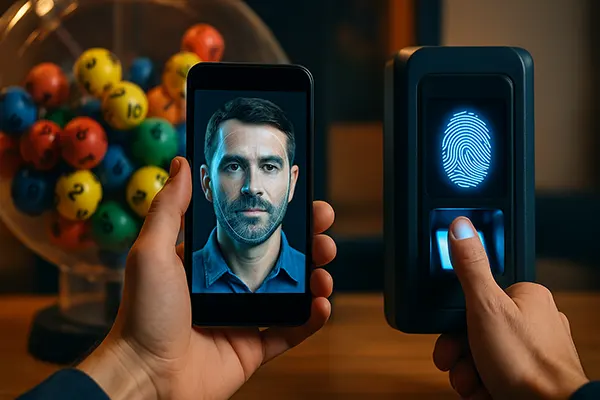
The lottery sector has long relied on traditional identification and verification tools to protect players and comply with regulatory standards. However, as participation channels expand and fraud techniques become more sophisticated, these methods increasingly show their limitations. By 2025, biometric technologies are no longer experimental concepts but practical instruments already tested in financial services, public administration, and regulated gaming environments. Their gradual integration into lottery systems has the potential to reshape how player protection is understood, implemented, and enforced.
The role of biometrics in modern lottery security
Biometric technologies refer to systems that identify individuals based on unique physical or behavioural characteristics, such as fingerprints, facial features, voice patterns, or iris scans. In the context of lotteries, these identifiers can significantly strengthen identity verification by linking participation directly to a real person rather than to easily transferable credentials like passwords or identity documents. This shift addresses long-standing issues such as identity theft, account sharing, and underage participation.
Unlike conventional verification methods, biometric data is extremely difficult to falsify or replicate. When applied correctly, it allows lottery operators to establish a high level of confidence that each ticket purchase or account action is performed by an authorised individual. This is particularly relevant for online lottery channels, where remote access has historically increased exposure to fraud and misuse.
From a regulatory perspective, biometric verification also supports compliance with strict know-your-customer and anti-fraud requirements. Authorities increasingly expect lottery operators to demonstrate proactive risk management, and biometric tools provide measurable, auditable evidence of responsible operational practices.
Biometric identification versus traditional verification methods
Traditional player verification in lotteries typically relies on document checks, account credentials, and manual audits. While these methods remain important, they often depend on information that can be lost, stolen, or deliberately misused. Biometric identification introduces an additional layer that is inherently linked to the individual, reducing dependence on external documents alone.
Another key distinction lies in efficiency. Manual verification processes can slow down registration and payout procedures, creating friction for legitimate players. Biometric systems, once implemented, can perform identity checks almost instantly, improving both security and user experience without compromising control standards.
However, biometrics are not intended to fully replace existing systems. In most practical implementations, they function as part of a layered security approach, where biometric checks complement document verification, behavioural analysis, and transaction monitoring.
Protecting players through accurate identity control
One of the most significant challenges in the lottery industry is preventing participation by individuals who should legally be excluded, including minors and self-excluded players. Biometric technologies offer a reliable mechanism to enforce these restrictions consistently across all access points, both physical and digital.
By linking biometric identifiers to exclusion registers, lottery operators can automatically block access attempts without relying solely on personal declarations or easily bypassed controls. This reduces the risk of repeated violations and strengthens the credibility of responsible play initiatives.
Accurate identity control also plays a role in preventing multiple account creation. In systems where bonuses, promotions, or ticket limits exist, biometric checks can ensure that each individual participates under a single verified identity, maintaining fairness for all participants.
Enhancing self-exclusion and harm prevention measures
Self-exclusion programmes are a core element of player protection, yet their effectiveness often depends on voluntary compliance and consistent enforcement. Biometric integration allows these programmes to function with far greater precision, automatically recognising individuals who have opted out and preventing access regardless of device or location.
This approach also reduces the emotional burden on retail staff in land-based lottery outlets, as enforcement becomes system-driven rather than confrontational. The result is a more respectful and reliable protection mechanism for vulnerable individuals.
Over time, biometric data can also support anonymised behavioural analysis, helping operators and regulators identify risk patterns without exposing personal identities. This creates opportunities for earlier intervention and better-informed policy decisions.

Data protection, ethics, and future implementation challenges
Despite their advantages, biometric technologies raise legitimate concerns related to data protection and personal privacy. Biometric data is highly sensitive, and its misuse or exposure could have serious consequences for individuals. As a result, any implementation within lotteries must comply with strict data protection frameworks, including the UK GDPR and related regulatory standards.
Secure storage, encryption, and limited access protocols are essential components of responsible biometric use. In many proposed models, biometric templates are stored in encrypted form and cannot be reconstructed into original images, reducing the risk of abuse even in the event of a security breach.
Transparency is equally important. Players must clearly understand what data is collected, how it is used, and for how long it is retained. Clear consent mechanisms and accessible information are critical to maintaining public trust.
Balancing innovation with public acceptance
Public acceptance will ultimately determine the pace and success of biometric adoption in lotteries. While many consumers are already familiar with biometric authentication through smartphones and banking applications, applying similar tools to lottery participation requires careful communication and education.
Operators must demonstrate that biometrics serve player protection rather than surveillance or commercial exploitation. Independent audits, regulatory oversight, and clear accountability structures can help reinforce this message and address scepticism.
Looking ahead, biometric technologies are likely to become a standard element of lottery security frameworks rather than an exception. When implemented responsibly, they offer a practical path towards stronger player protection, reduced fraud, and a more trustworthy lottery environment aligned with modern regulatory expectations.