
How Second Chance Draws Work in Scratchcard Lotteries
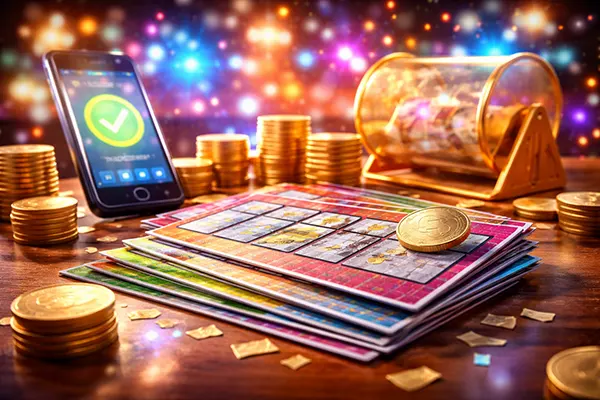
Second chance draws have become a familiar feature in modern scratchcard lotteries, especially as operators look for ways to keep players engaged beyond the initial outcome of a ticket. While scratchcards are traditionally based on instant results, second chance systems extend participation by allowing non-winning tickets to enter additional prize draws. As of 2026, these mechanics are widely used across national lotteries in the UK, Europe, and North America, offering structured and regulated opportunities for players to gain extra value from tickets that would otherwise be discarded.
What Second Chance Draws Are and Why They Exist
Second chance draws are supplementary lottery promotions that give players the opportunity to enter additional prize draws using non-winning scratchcards. Instead of losing entirely when a ticket does not reveal a prize, the player can register it through an official channel—typically a website or mobile app—and receive entry into a separate draw.
The primary purpose of these draws is to increase engagement and prolong the lifecycle of each ticket. Lottery organisers benefit by encouraging players to interact with their systems digitally, which also allows them to build user accounts, verify participation, and maintain responsible gaming measures.
From a regulatory standpoint, second chance draws are usually governed under the same licensing frameworks as the main lottery. This ensures fairness, transparency, and clear odds disclosure. In countries such as the UK, these promotions are overseen by the Gambling Commission and must comply with strict consumer protection standards.
How Players Enter Second Chance Draws
To participate, players typically need to create an account on the official lottery website or app. After purchasing a scratchcard, they enter a unique code printed on the ticket. This code acts as proof of purchase and prevents duplicate entries.
In some cases, players are required to upload a photo of the ticket, while in others, manual code entry is sufficient. The system then validates the code and adds the entry to a pool for upcoming draws. Entry deadlines are clearly defined, and late submissions are not accepted.
Importantly, there are often limits on how many entries a player can submit within a certain timeframe. These limits are designed to prevent excessive participation and align with responsible gambling guidelines.
Types of Prizes and Draw Formats
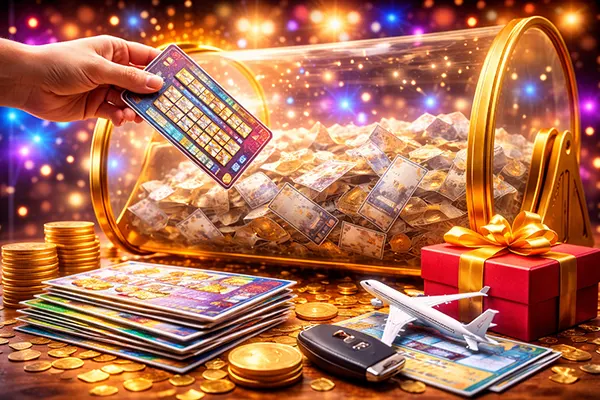
The prizes offered in second chance draws vary widely depending on the lottery operator and campaign. Common rewards include cash prizes, luxury goods, travel packages, and event tickets. In recent years, digital prizes such as prepaid cards or online vouchers have also become more common.
Draw formats can differ as well. Some lotteries run weekly or monthly draws, while others organise large-scale seasonal promotions. For example, a national lottery might collect entries over several months and then conduct a single high-value draw with multiple winners.
Another variation is tiered prize structures. Instead of a single jackpot-style reward, second chance draws may offer multiple prize levels, increasing the probability of winning something. This approach helps maintain player interest even when top prizes are limited.
Odds, Transparency, and Fairness
Unlike instant scratchcard outcomes, the odds in second chance draws depend on the total number of entries received. This means that the probability of winning is not fixed at the time of ticket purchase and can vary significantly.
To maintain transparency, lottery operators publish information about draw dates, prize quantities, and selection methods. Winners are typically chosen using certified random number generators, ensuring that each valid entry has an equal chance.
Regulators require that all promotional mechanics, including second chance draws, are clearly explained to players. This includes outlining how entries are collected, how winners are selected, and how prizes are distributed. These measures help maintain trust in the system.
Practical Considerations for Players in 2026
For players, second chance draws can offer additional value, but they should not be seen as a guaranteed benefit. Participation still depends on chance, and the overall expected return remains low compared to the cost of tickets.
One practical advantage is that these draws encourage better tracking of purchases. By registering tickets, players maintain a record of their activity, which can be useful for budgeting and responsible play. Many official apps now include spending summaries and limit-setting tools.
It is also important to be aware of deadlines and eligibility requirements. Some draws are restricted to specific regions or require players to be above a certain age. Missing a submission window means losing the opportunity to enter, regardless of ticket validity.
Responsible Use and Common Misconceptions
A common misunderstanding is that second chance draws improve the overall odds of winning on a scratchcard. In reality, they function as a separate promotion with its own probability structure. They do not alter the original payout design of the ticket.
Players should approach these draws as an optional extra rather than a core feature. The main purpose of a scratchcard remains its instant result, and second chance entries are simply an additional layer of engagement.
As of 2026, most reputable lotteries actively promote responsible participation. This includes reminders about spending limits, cooling-off periods, and access to support services. Using these tools can help ensure that participation remains controlled and informed.