
Progressive Slot Jackpots: How Mega Moolah and Divine Fortune Differ from Traditional Lotteries
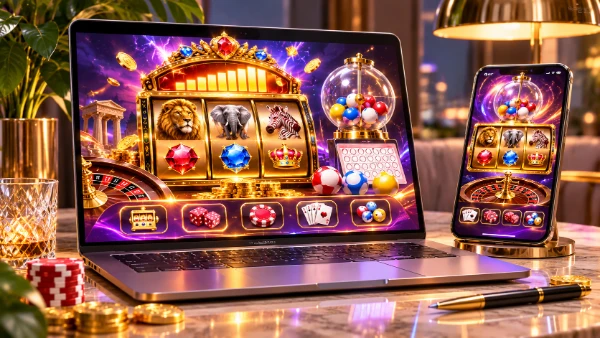
Progressive slot machines and traditional lotteries share a familiar principle: a relatively small stake can result in a substantial financial prize. However, the similarities largely end there. Mega Moolah and Divine Fortune use different jackpot mechanisms, prize structures and payout conditions from established lotteries. Understanding these differences helps explain how prize funds accumulate, how winners are determined and why the advertised jackpot amount should never be mistaken for a realistic expectation of winning.
How Progressive Jackpots Work in Online Slots
A progressive jackpot is a prize fund that grows as eligible wagers contribute towards its value. Unlike a fixed slot prize, which remains tied to a predetermined payout, a progressive jackpot can increase until the winning conditions are met. Following a successful payout, the fund typically resets to a specified starting amount.
Online casino catalogues, including nolimit-way-casino.com, provide a useful context for understanding the distinction between conventional slots and jackpot games. Although both operate through randomly determined outcomes, progressive games introduce an additional prize mechanism with its own eligibility requirements and payout conditions.
Some progressive jackpots are connected across multiple casinos and games. Contributions from participating players accumulate in a shared prize fund, allowing the jackpot to grow across an entire network. Other jackpots operate within an individual game or a smaller group of connected titles.
Mega Moolah and Divine Fortune: Two Different Approaches
Mega Moolah, originally developed by Microgaming and now part of the Games Global portfolio, features four progressive jackpot categories: Mini, Minor, Major and Mega. A randomly activated jackpot feature introduces a prize wheel that determines which of these four awards the player receives.
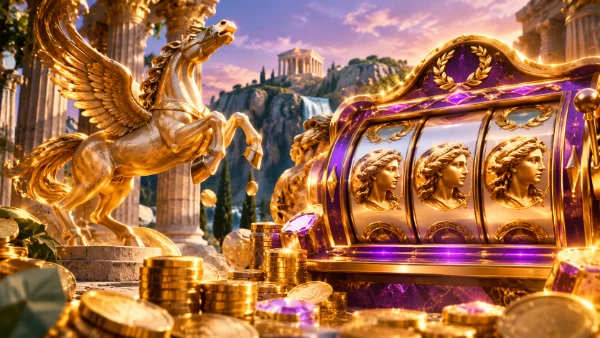
Divine Fortune, developed by NetEnt, follows a different approach. This Greek mythology-themed slot features three jackpot categories: Minor, Major and Mega. Its jackpot feature is activated when at least three designated bonus symbols appear during the main game, including eligible respins.
During the Divine Fortune jackpot round, golden coins occupy positions on the reels. Completing one row awards the Minor jackpot, while two completed rows award the Major prize. Filling the entire grid triggers the progressive Mega jackpot. The mechanism therefore differs considerably from the prize wheel used in Mega Moolah.
How Progressive Slots Compare with Traditional Lotteries
Traditional draw-based lotteries operate according to a published schedule. EuroMillions, for example, holds draws every Tuesday and Friday. Participants select five main numbers from a pool of 50 and two Lucky Stars from a separate pool of 12 numbers.
Lottery jackpots generally increase through ticket sales and accumulated prize funds from previous draws without a top-tier winner. This process is known as a rollover. Progressive slots, by comparison, do not require a scheduled draw because their jackpot mechanisms operate during individual gaming sessions.
Another important distinction concerns prize distribution. When several EuroMillions tickets match the complete winning combination, the jackpot is divided among the qualifying entries. A slot jackpot is generally awarded to the player whose eligible game outcome triggers the corresponding prize, subject to the applicable game rules.
Winning Probabilities, Spending and Financial Risk
EuroMillions has a clearly defined mathematical probability of winning its main jackpot: one in 139,838,160 per entry. Progressive slot jackpot probabilities depend on the individual game’s design and may not be published in the same accessible format as lottery odds.
The frequency of participation also differs. A lottery ticket remains valid for its designated draw, whereas slot machines allow repeated wagers within a relatively short period. This difference can significantly affect overall expenditure, even when individual stakes appear modest.
A growing jackpot does not necessarily indicate that a winning outcome is approaching. Neither previous unsuccessful attempts nor the displayed prize value guarantees a subsequent win. Both lotteries and progressive slots involve financial risk and should be treated as paid entertainment rather than a means of generating income.