
A Glimpse into the History of European Lotteries
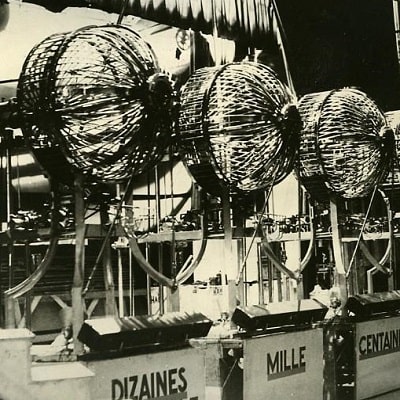
The allure of chance, of destiny choosing favorably, has long captivated human hearts. The lottery, a manifestation of this allure, holds a rich tapestry of history, particularly in Europe, where it birthed and blossomed. Let’s embark on a journey tracing the footsteps of lotteries across Europe, unearthing fascinating tales that shaped nations.
Before diving into specific countries, it’s worth noting that lotteries have ancient roots, with evidence suggesting their existence in the Roman Empire and Han Dynasty China. Europe, however, added its own flavor, blending civic needs, economic desires, and individual hopes.
Italy
The birthplace of the modern lottery, Italy introduced “Lo Giuoco del Lotto d’Italia” around the 16th century. Initially played in Florence, the game gradually expanded beyond the city’s borders and gained popularity throughout the country. As participation increased, the lottery became an important part of public life, attracting people from different social backgrounds who were eager to test their luck. Over time, its rules were refined and standardized, helping to establish a format that would later influence lottery systems across Europe. The enduring popularity of the game reflects its deep cultural roots and historical significance. Today, it is widely recognized as the oldest continuously operating lottery in the world, preserving a tradition that has connected generations of players for centuries while remaining an iconic symbol of Italy’s lottery heritage.
France
King Francis I, captivated by Italy’s lottery, introduced the concept to France in the 1500s. The French lotteries were state-controlled, with the funds often used to replenish the state treasury and finance wars. An interesting tidbit: The famous French mathematician Blaise Pascal was inspired by the game of chance to study the concept of probability.
Great Britain
The English State Lottery began in 1694, sanctioned by Queen Mary II and King William III. The aim? To raise funds for good causes and public projects, such as rebuilding London after the Great Fire. By the 18th century, however, moral concerns led to its termination, only for it to be revived centuries later.
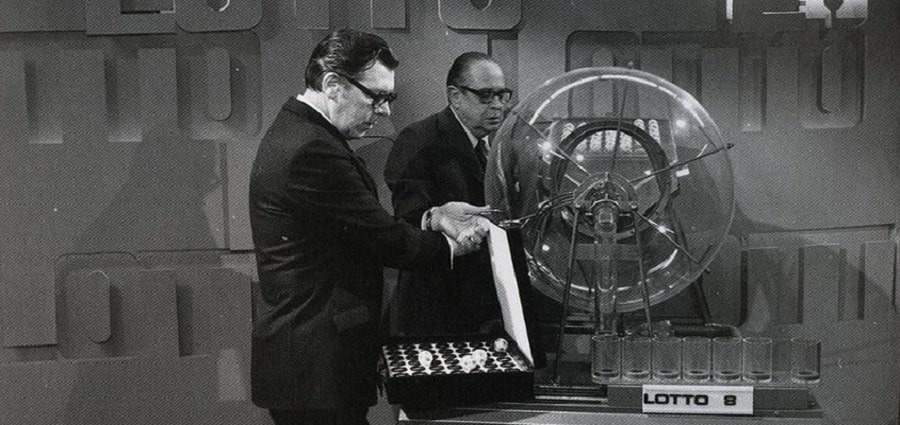
Australia
While not European, Australia’s lottery tale is too intriguing to omit. Facing economic depression in the 1890s, the New South Wales government initiated a public works program funded by lotteries. These fundraising efforts provided an alternative source of revenue at a time when economic conditions made traditional financing difficult. The Sydney Harbour Bridge, now one of the country’s most recognizable landmarks, owes part of its development to funds raised through lottery initiatives. Beyond supporting major infrastructure projects, lottery revenues also contributed to various community improvements and public services. This approach demonstrated how games of chance could be used not only for entertainment but also as a practical financial tool for advancing projects that delivered long-term benefits to society. Australia’s experience remains one of the most notable examples of lottery funding being linked to large-scale national development.
Spain
Spain’s love affair with lotteries dates back to the 18th century. “La Primitiva” began in 1763, but the most famed is “El Gordo” or “The Fat One,” introduced in 1812. Known for its massive prize pool, it has become a cherished Christmas tradition. A captivating fact: the Spanish Civil War didn’t halt “El Gordo.” Even when the capital shifted, the draw continued.
Conclusion
The history of lotteries shows that their popularity and social role developed differently across various parts of Europe. In some countries, lotteries were primarily used to raise funds for public projects, while in others they became deeply connected with local traditions and community life. Over the centuries, these games of chance helped finance infrastructure, support charitable causes, and provide governments with alternative sources of revenue during challenging periods. More importantly, lotteries have long represented hope, aspiration, and the belief that a single ticket could change a person’s circumstances. Their enduring presence demonstrates how strongly people are drawn to the possibility of opportunity and good fortune. These stories of ambition, resilience, luck, and collective progress, woven throughout European history, remain a powerful testament to the lasting appeal of possibility and the human desire to dream about a better future.